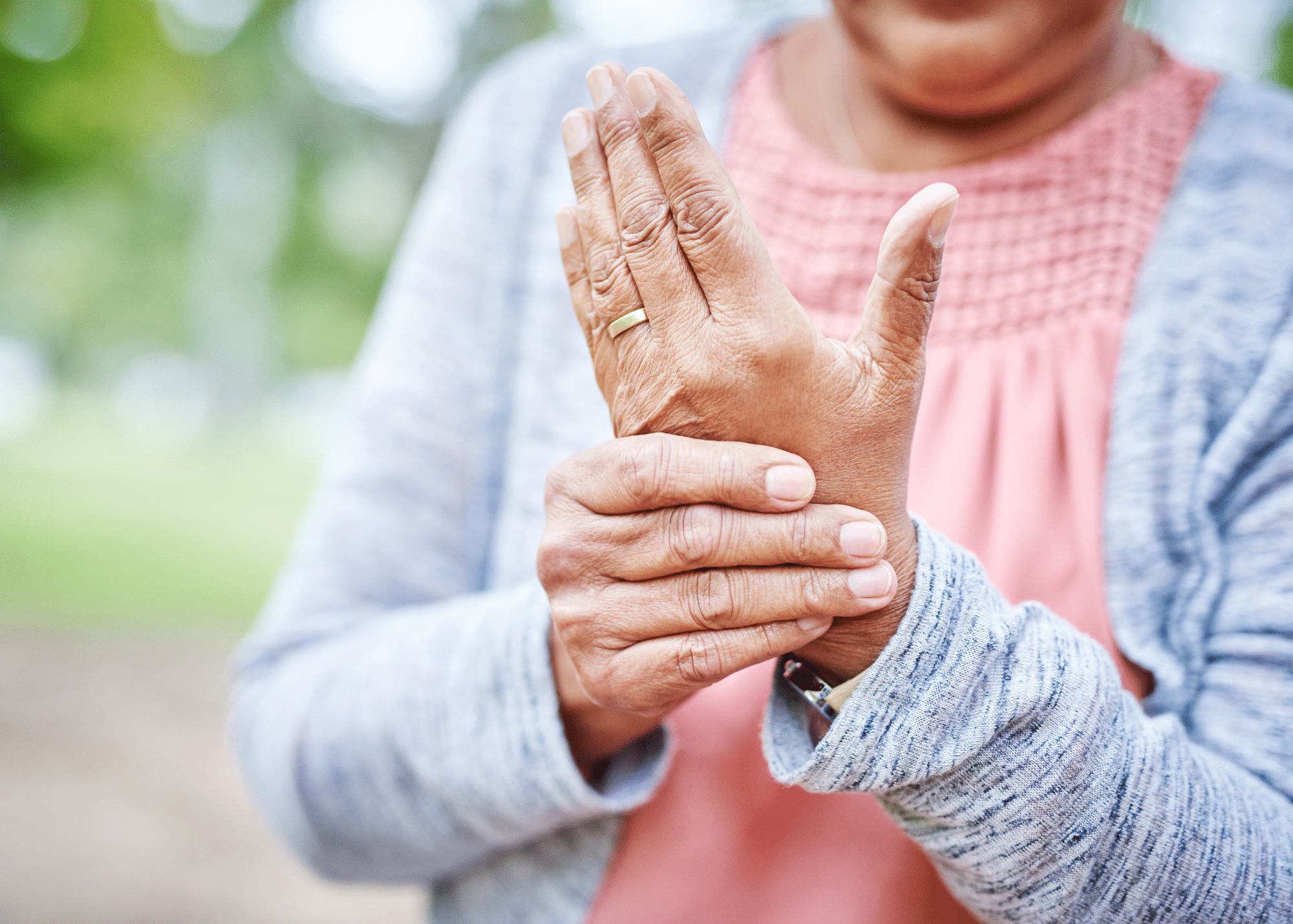

The thumb may account for just one digit of the hand, but it plays a critical role in how we interact with the world. From grasping and pinching to writing, buttoning a shirt, or using a smartphone, the thumb enables more than 40% of your hand’s overall function. When the thumb is severely injured, lost, or deformed due to trauma, arthritis, or congenital differences, thumb reconstruction surgery can be life-changing.
At our practice, we specialize in complex hand and microsurgical procedures that restore not just the appearance, but the strength and function of the thumb. Whether you’ve experienced a traumatic injury, degenerative joint disease, or congenital absence, this guide will help you understand the options available for thumb reconstruction, how they work, and what to expect during recovery.
When Is Thumb Reconstruction Needed?
Thumb reconstruction may be necessary in several situations, including:
- Traumatic amputation or crush injury
- Severe thumb arthritis or instability
- Burns or infection leading to tissue loss
- Congenital thumb hypoplasia or absence
- Tumor resection or nerve/muscle damage
- Ligament injuries or dislocations
The primary goals of thumb reconstruction are to restore mobility, sensation, and strength, and to provide a stable, opposable digit for grasping and manipulating objects.
Key Functions of the Thumb
Before we explore surgical options, it’s important to understand what makes the thumb so vital. The thumb’s unique anatomy allows for:
- Opposition: Touching the thumb to the fingers for grasping
- Pinch: Holding small objects with precision
- Grip strength: Supporting power grips, like holding a hammer or bottle
- Fine motor skills: Enabling daily tasks like writing, eating, and dressing
Any injury or deformity that limits these movements can significantly impair independence and quality of life.
Types of Thumb Reconstruction Procedures
The approach to thumb reconstruction depends on the nature and extent of the injury. Below are the most common surgical options.
1. Thumb Replantation
Reattachment through microsurgical replantation may be possible if a traumatic amputation occurs and the thumb is preserved. This involves rejoining arteries, veins, tendons, nerves, and bones under a surgical microscope. Time is critical—replantation is most successful within hours of injury.
2. Pollicization
Pollicization is a procedure where an existing finger, most often the index finger, is repositioned and reshaped to function as a thumb. It’s most commonly used in congenital cases or when the thumb is completely absent or unsalvageable due to trauma.
Benefits of pollicization:
- Preserves grip and opposition
- Provides long-term strength and function
- Typically well-adapted by children and young adults
3. Toe-to-Thumb Transfer
In cases where no functional thumb remains and other reconstruction options aren’t possible, surgeons may perform a microsurgical toe transfer, transplanting the second toe to the hand to serve as a new thumb.
This complex surgery requires:
- Microsurgical expertise
- Vascular, nerve, and tendon reconnection
- Postoperative therapy for adaptation and strength
Patients are often surprised at how well the toe adapts to the role of the thumb. The aesthetic result can be refined with secondary surgeries if desired.
4. Osteoplastic Thumb Reconstruction
If part of the thumb remains, bone grafting and soft tissue reconstruction can restore length and stability. Surgeons may use:
- Autologous bone grafts (from the patient’s own hip, forearm, or rib)
- Tendon transfers to restore motion
- Skin flaps or grafts to cover soft tissue loss
This approach is common in post-traumatic cases where the thumb is partially damaged but not completely lost.
5. Thumb Arthroplasty (Joint Replacement) or Arthrodesis (Joint Fusion)
For patients with advanced thumb carpometacarpal (CMC) arthritis, thumb joint replacement or ligament reconstruction can restore motion and relieve pain.
Surgical options include:
- Ligament reconstruction and tendon interposition (LRTI)
- CMC joint fusion
- Prosthetic thumb implants (in select cases)
These procedures are designed to preserve thumb use in patients with joint degeneration due to aging, overuse, or autoimmune disease.
5. Autologous Fat Grafting
An additional option for patients with thumb carpometacarpal (CMC) arthritis can include autologous fat grafting. The fat cells harvested from another site on the body behave as mesenchymal stem cells and undergo differentiation in the joint, helping to regrow damaged cartilage and reduce pain.
What to Expect Before and After Surgery
Preoperative Evaluation
A comprehensive consultation will include:
- Physical exam and imaging (X-ray, MRI, or CT)
- Functional assessment of the hand and remaining digits
- Review of health history and any previous injuries or surgeries
- Custom treatment planning based on goals, lifestyle, and anatomy
The Surgery Itself
Depending on the procedure, thumb reconstruction may be performed under general or regional anesthesia. Duration ranges from 1–6 hours. In some cases, more than one surgery is required to complete the reconstruction.
Recovery and Rehabilitation
Rehabilitation is essential to optimize surgical outcomes. Post-op recovery typically includes:
- Temporary splinting or casting
- Hand therapy for motion, strength, and desensitization
- Scar care and edema control
- Functional retraining for opposition and grip
Full recovery can take several months, particularly for more complex reconstructions. Our certified hand therapists will work closely with you throughout the process to ensure optimal healing and function.
Risks and Considerations
As with any surgery, thumb reconstruction carries risks, which may include:
- Infection
- Nerve injury or numbness
- Limited motion or stiffness
- Need for revision surgery
- Donor site pain (e.g., from toe transfer or bone graft)
That said, most patients experience significant improvement in function, reduced pain, and restored independence after surgery. The earlier the reconstruction is performed following injury, the better the functional outcome tends to be.
Choosing a Thumb Reconstruction Surgeon
Successful thumb reconstruction requires advanced training in microsurgery, hand anatomy, and tendon and nerve repair. Be sure to choose a surgeon who:
- Specializes in hand and upper extremity surgery
- Has experience with a variety of reconstruction techniques
- Works in partnership with certified hand therapists
- Has access to a fully equipped surgical and rehabilitation facility
Regain What Matters Most
When your thumb is injured or lost, it can impact everything from how you eat to how you work and connect with others. Thumb reconstruction surgery can restore not only movement and strength, but also independence, confidence, and quality of life.
Our team of hand surgeons and therapists is here to help you navigate your options and guide you through every step of your recovery.
If you’re facing thumb loss, injury, or dysfunction, schedule a consultation with our reconstructive hand surgery team today. Let’s rebuild what matters—function, freedom, and your future.
Author Profile: Brian Cripe, M.D., is an award-winning, board-eligible plastic and reconstructive surgeon and Plastic Surgeons of Northern Arizona partner. Dr. Cripe specializes in cosmetic surgery, limb salvage, peripheral nerve microsurgery, hand surgery, and oncologic reconstructive procedures.