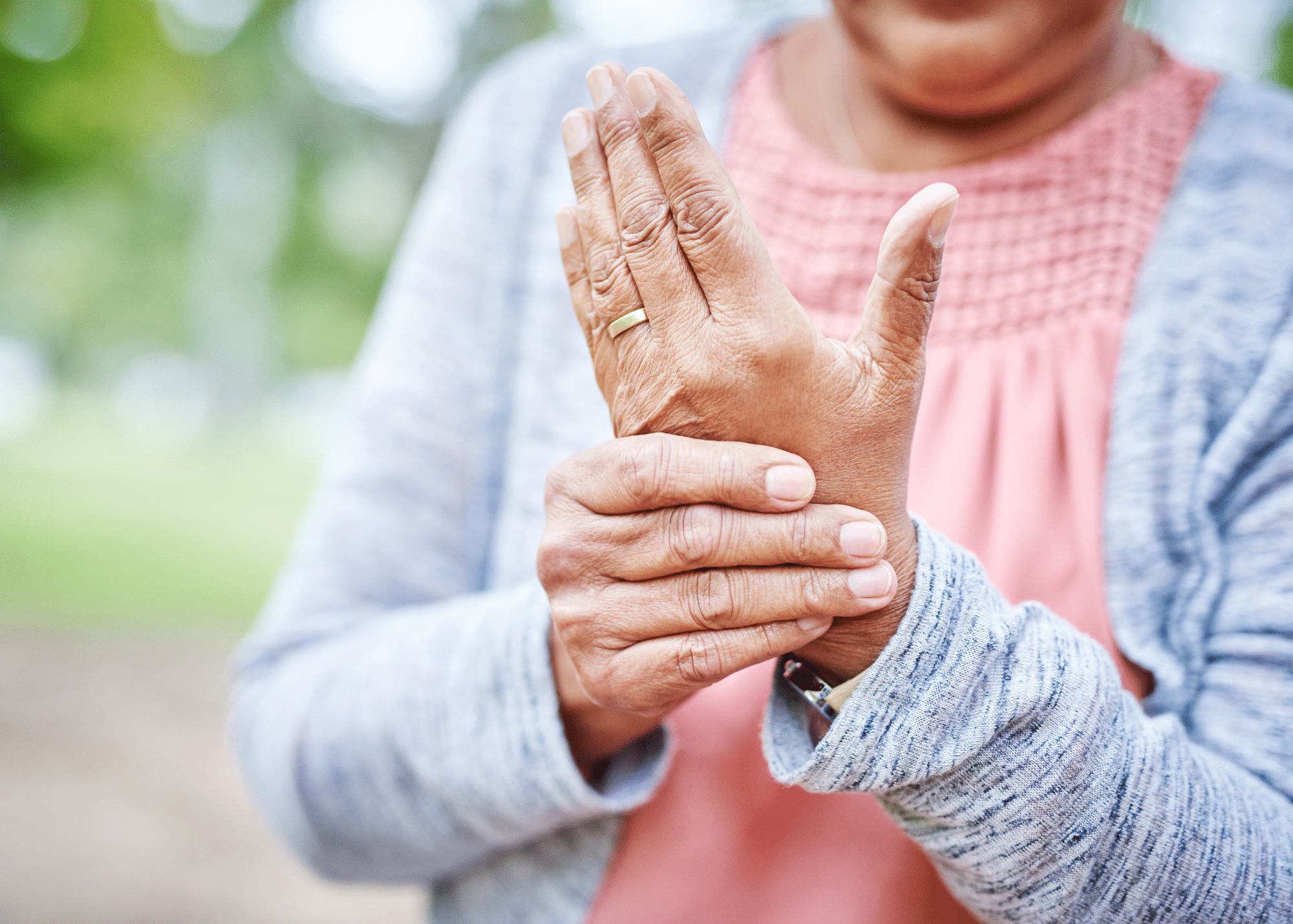
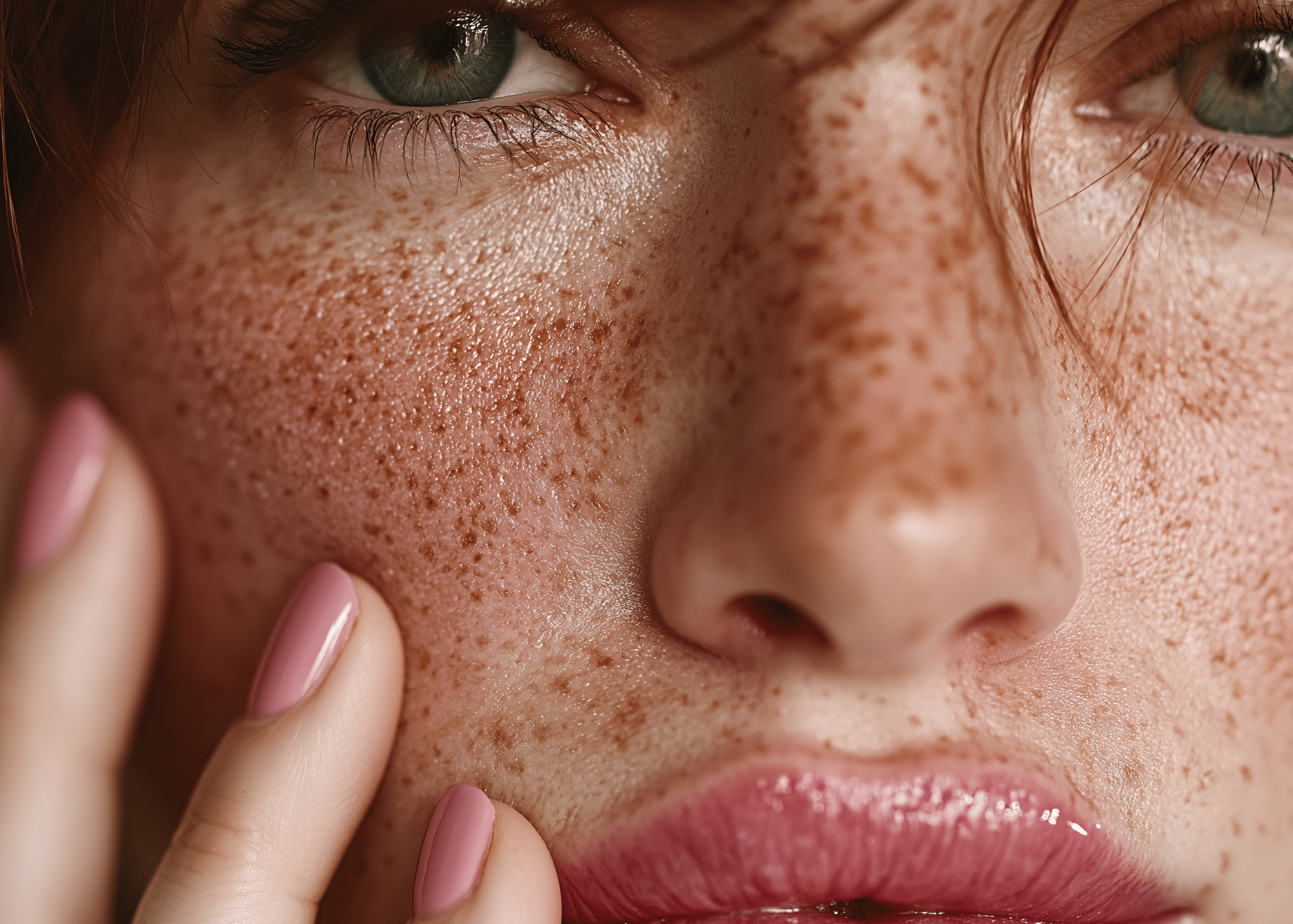
Long days outside can leave behind fine lines, uneven pigment (“sun spots”), rough texture, and dullness—classic signs of photoaging. The good news: you don’t need surgery to make meaningful improvements. A targeted plan that pairs in-office procedures with medical-grade skincare can visibly even tone, smooth texture, and stimulate collagen. Below is an evidence-based guide to what actually works—plus how to time treatments as we head into fall.
Ultraviolet (UV) exposure accelerates collagen breakdown and triggers excess melanin production, leading to wrinkles, sallowness, and lentigines (sun spots). Topical retinoids remain a gold standard for reversing early photoaging; one double-blind vehicle-controlled study showed tretinoin improves wrinkling, mottled pigmentation, sallowness, and lentigines within months, with benefits sustained past a year.
Daily sun protection is non-negotiable to prevent backsliding. Dermatology organizations, like the American Academy of Dermatology, consistently recommend broad-spectrum SPF ≥30 and reapplication at least every two hours when outdoors (and after swimming/sweating).
High-impact in-office options
1) Intense Pulsed Light (IPL) for redness and browns
IPL uses broad-spectrum light to target pigment and superficial vessels. Studies report meaningful clearance of solar lentigines and overall photodamage with minimal downtime; improvement rates >50% are common across series.
Best for: Fair to medium skin tones with freckling, sun spots, and redness.
Downtime: Generally 0–3 days; spots darken (“coffee ground” look) before flaking.
Note on skin of color: Because IPL targets melanin broadly, it can increase the risk of post-inflammatory hyperpigmentation (PIH) in deeper skin tones. Safer alternatives may include certain lasers or chemical peels customized for your skin tone (often referred to based on the Fitzpatrick scale).
2) Fractional non-ablative lasers (e.g., 1,540–1,927 nm)
Fractional resurfacing creates micro-columns of controlled injury to stimulate new collagen and remodel texture. Biopsy-based studies show increases in collagen types I, III, and VII and clinical softening of fine lines and dyspigmentation after a series of sessions. Remarkably, one randomized trial also found that fractional laser reduced actinic keratoses (AKs) and future non-melanoma skin cancers in the treated arm—an appealing bonus for chronically sun-exposed skin.
Best for: Texture, fine lines, enlarged pores, and mottled pigment.
Downtime: 2–5 days of redness/swelling; a 3–4 treatment series is typical.
3) Q-switched and picosecond lasers for discrete sun spots
For isolated lentigines, pigment-specific lasers can be highly effective. A 2025 systematic review found high success rates across multiple platforms: IPL (≈75–90%), picosecond lasers (≈68–93%), and Q-switched systems (≈36–77%), with choice tailored to spot size, depth, and skin type.
4) Radiofrequency microneedling (RFMN)
RFMN delivers energy through insulated needles to tighten and remodel dermis with minimal surface injury—ideal in summer-to-fall transitions. Reviews and clinical studies support improvements in rhytids, texture, and acne scarring, with low PIH risk when parameters are appropriate.
Best for: Crepey skin, mild laxity, acne-scarred texture, and larger pores.
Downtime: Typically 24–72 hours of redness; a series of 3–4 sessions.
5) Chemical peels (superficial to medium depth)
Properly selected acids (glycolic, salicylic, lactic, TCA at appropriate strengths) brighten and smooth by accelerating cell turnover and dispersing excess pigment. Evidence supports improvement in pigmentation, texture, and fine lines; pairing peels with topical retinoids can enhance outcomes.
Best for: Diffuse dullness, mild dyspigmentation, and acne-prone skin.
Downtime: From none (light peels) to a week (medium depth).
Prescription retinoids (tretinoin)
Tretinoin remains the most studied topical for photoaging, with randomized, vehicle-controlled trials demonstrating reductions in wrinkles and mottled pigment as early as 1 month and sustained at 24 months. Best results may take up to three months of regular use. Prescription strength products, including those available at our practice, have much higher concentrations of tretinoin and more pronounced results than most over the counter products..
Targeted pigment regulators
Combination therapy often works best. For lentigines and uneven tone, dermatology literature supports agents such as mequinol 2% + tretinoin 0.01% and dermatologist-directed use of hydroquinone or alternatives (azelaic acid, kojic acid, niacinamide, tranexamic acid) to inhibit melanogenesis.
Vitamin C (L-ascorbic acid) and antioxidants
Topical vitamin C helps brighten and fight UV-induced oxidative stress. Early data suggest it may enhance outcomes after fractional laser (split-face trials); it’s a sensible daytime companion to sunscreen.
Sunscreen: the anchor step
Use a broad-spectrum SPF ≥30 daily; reapply every two hours outdoors and after swimming/sweating. Mineral or chemical filters can both be effective—the best is the one you’ll use liberally and consistently.
Timing your post-summer plan (September–November)
- Weeks 1–2: Reset the barrier. Introduce (or re-introduce) nightly tretinoin slowly (2–3 nights/week), layer a gentle moisturizer, and start daily SPF 30+. Consider a light peel to jump-start turnover if your skin is not irritated.
- Weeks 3–8: Tackle pigment + texture. Based on your skin type, schedule IPL or pigment-specific laser for spots, or begin a series of fractional non-ablative laser or RFMN for texture and fine lines. Keep pigment regulators on board.
- Weeks 8–12: Consolidate gains. Space additional sessions 3–6 weeks apart. Maintain tretinoin and antioxidant serum; plan a maintenance peel before the holidays for extra glow.
Safety notes—especially for darker skin tones
All energy-based procedures carry PIH risk if settings or aftercare are off. Patients with Fitzpatrick IV–VI require conservative parameters, strict photoprotection, and often device choices that minimize melanin competition (e.g., 1064-nm lasers, RFMN). A tailored plan with an experienced provider materially reduces complications.
When to see a plastic surgeon or aesthetician
Schedule a professional skin exam if you have rough, scaly patches (possible actinic keratoses) or changing spots. Beyond cosmetic benefit, fractional resurfacing has shown reductions in AKs and future non-melanoma skin cancers in treated areas—an important consideration for heavily sun-exposed patients.
You can absolutely undo a surprising amount of summer damage without surgery. Pair daily SPF and medical-grade topicals (retinoid + antioxidant + pigment regulator) with a personalized in-office plan – IPL or pigment-targeting lasers for spots, fractional laser or radiofrequency microneedling for texture and fine lines, and periodic chemical peels to maintain results. Enter fall with healthier collagen, a more even tone, and skin that’s better protected for next summer.